

Picture the bustling arteries of Lagos ports and roadside auto markets, where imported used vehicles roll off shipping containers daily. For years, these vehicles, providing affordable mobility and livelihoods, have been welcomed as economic lifelines. But hidden beneath the chassis of tomorrow’s incoming electric and hybrid vehicles lies a silent tsunami: an unprecedented wave of end-of-life (EoL) traction and auxiliary batteries.
As the global push toward sustainable transport accelerates, EV battery recycling has emerged as a critical operational pillar to prevent environmental degradation. According to the United Nations Environment Programme (UNEP) Technical Report on End-of-Life Electric Vehicle Battery Management and Recycling, Low- and Middle-Income Countries (LMICs) are projected to receive over 4 million tonnes of used lithium-ion traction batteries in electric four-wheelers alone by 2035.
Unpacking the Invisible Dangers: What the UNEP Report Reveals
When these batteries reach the end of their operational life, how they are handled dictates the difference between sustainable progress and ecological catastrophe. In Nigeria, informal recycling networks break down electronics in open spaces, stripping wires and melting casings without pollution controls. The UNEP report outlines the severe chemical risks unleashed by such practices:
-
The PFAS “Forever Chemical” Threat: Lithium-ion battery binders like PVDF and their thermal decomposition products are classified as per- and polyfluoroalkyl substances (PFAS). If released into local soils and watercourses, they persist for millennia, bioaccumulating and threatening human health with risks ranging from immune system weakening to kidney and testicular cancers.
-
Toxic Fluorinated Gases: When exposed to moisture or extreme heat, electrolyte salts like LiPF6 decompose to form hydrogen fluoride (HF). Even small quantities of hydrofluoric acid cause deep tissue necrosis in humans and devastate local flora and fauna much like severe acid rain.
-
The Lead Neurotoxin Crisis: Informal lead-acid battery recycling remains a primary contributor to heavy metal poisoning across the Global South. Nearly one in two children in LMICs suffers from blood lead levels high enough to impair cognitive development and IQ, with economic impacts draining up to 9% of GDP in regions with lax regulatory enforcement.
-
Unintentional POPs from Open Burning: Burning polypropylene battery casings instead of formal recycling generates sulphur dioxide and dioxins, releasing persistent organic pollutants (POPs) that settle into local food chains, such as poultry and crops.
Turning the Risk into a Circular Triumph Through Robust Frameworks
Nigeria does not need to choose between economic mobility and environmental safety. Effectively driving e-waste management in Nigeria requires leveraging proven circular economy frameworks and adapting the structured blueprints outlined in international reports:
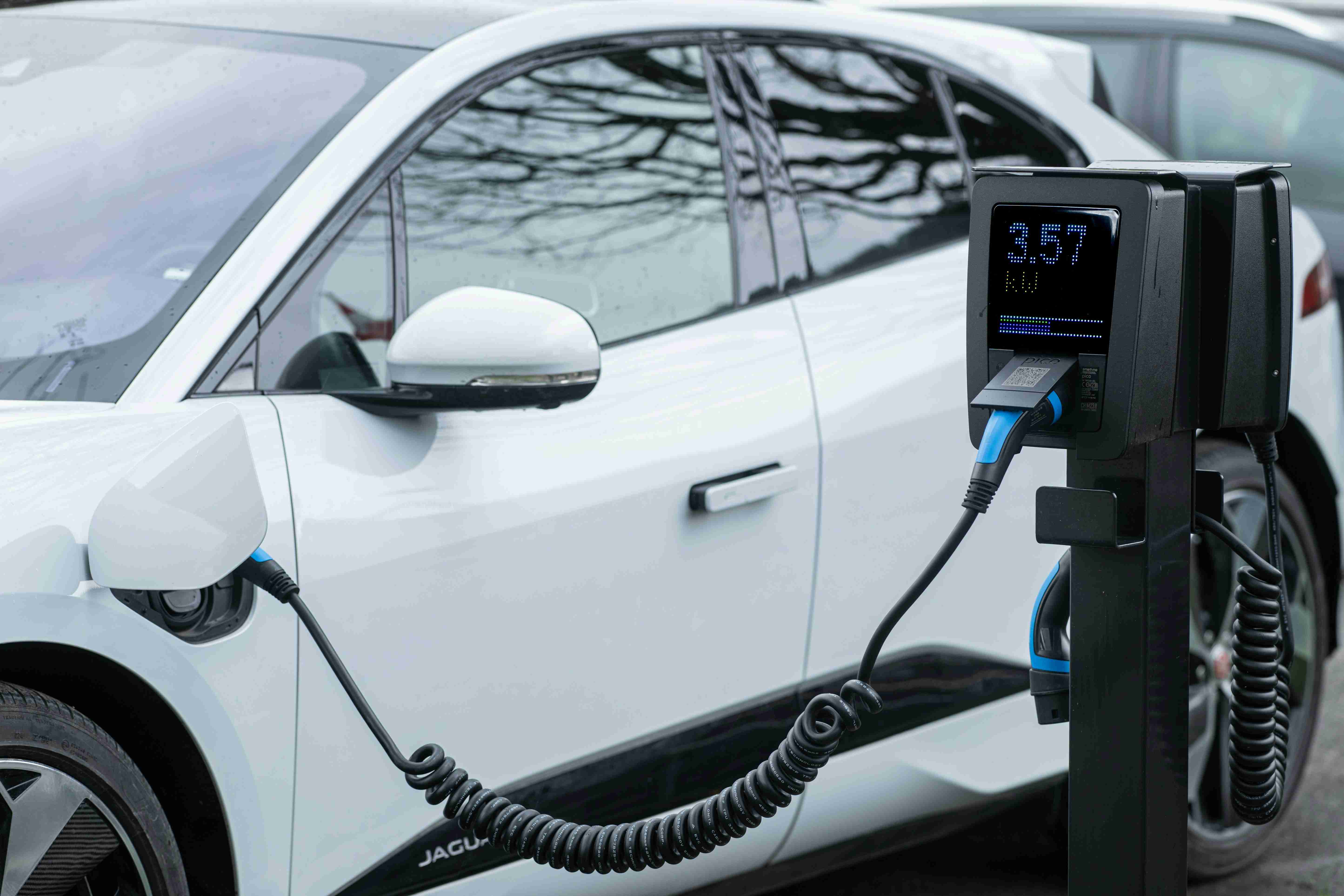
- Formalizing and Upgrading Infrastructure: Establishing authorized EV battery recycling facilities restricted to designated industrial zones equipped with exhaust scrubbers, wastewater treatment, and thermal imaging safety monitors. Crucially, the report advocates for upskilling and integrating informal workers, transforming informal collectors into certified, safety-trained personnel rather than criminalizing their livelihoods.
- Enforcing Extended Producer Responsibility (EPR): Placing the legal and financial burden squarely on automotive original equipment manufacturers (OEMs) and importers to fund the collection, tracking, and safe recycling of the battery packs they introduce to the market.
- Tech-Driven Collection and Traceability: Digital platforms streamline logistics, using dynamic valuation tools and mobile tracking to map end-of-life electronics and battery packs right from the point of collection to its second-life repurposing (such as solar grid storage) down to its final hydrometallurgical recovery.. This ensures transparent chain-of-custody tracking down to safe processing centers.
- Pioneering Sustainable Urban Mining: Innovators are stepping up to change the landscape. Platforms like BuyScrap Nigeria utilize technology-driven e-waste management systems to optimize material recovery, ensuring hazardous fractions are safely routed away from landfills and into structured processing pipelines.
- Designing for Tomorrow: Embracing upcoming circular designs such as water-soluble, fluorine-free binders and alternative cell chemistries that eliminate toxic transition metals entirely.
“The incoming wave of electric vehicle batteries represents both an environmental vulnerability and a golden opportunity to anchor Nigeria’s circular economy in world-class standards.”
By working hand-in-hand with the government and industry leaders, forward-thinking startups can safely recycle old batteries and clean up e-waste. This protects the health of our country’s population of over 200 million people while creating a safer, greener future for everyone.
To learn more about how BuyScrap is building these sustainable circular supply chains, visit www.buyscrap.africa.

